
There's a pattern that comes up often in residential repair work. A homeowner calls because something has stopped working or is causing visible damage. You arrive, assess the situation, and the conversation usually includes a version of the same observation: this started as something small — a drip, a small crack, a sticky door — and it was put off until it couldn't be anymore.
That gap between "noticed it" and "got it fixed" is where most of the real cost in home repair actually accumulates. Understanding why that happens, and what you can do about it, is more useful than any specific repair skill.
How Small Problems Become Big Ones
Most home repair issues don't arrive as emergencies. They arrive as inconveniences — something slightly off that doesn't prevent you from getting on with your day. That's precisely why they get deferred. There's no immediate pressure, and other things take priority.
What happens in the meantime is the problem. Water, in particular, is relentless. A slow drip under a sink will saturate wood cabinet material over weeks, encourage mould growth, and potentially compromise the floor structure beneath. By the time the damage is visible enough to force action, you're no longer dealing with a plumber's hour of work. You're dealing with cabinetry, possibly flooring, and in some cases, remediation.
"We often see situations where the original issue — if addressed when first noticed — would have been a couple hundred dollars at most. By the time it comes to us, the job has grown into something significantly larger and more disruptive."
The same compounding effect applies to other categories of damage. A small crack in caulking around a tub or shower allows water to get behind tile. Once moisture reaches the wall substrate, it causes swelling, softening, and eventually mould. Replacing a tile and re-caulking when the first crack appears is a morning's work. Replacing a tiled shower surround and the waterproofing behind it is a major renovation.
The Psychology of Deferred Maintenance
Understanding why people put off repairs isn't complicated — it's mostly a combination of cost uncertainty, time pressure, and the natural tendency to address what's visibly urgent rather than what matters most in the long run.
Cost uncertainty is a big one. Many homeowners avoid calling about a problem because they're not sure what it'll cost, and they're afraid the answer will be uncomfortable. This is understandable, but the delay almost always makes the eventual cost higher, not lower. Getting an assessment and a quote costs nothing — most tradespeople won't charge for a basic look at an issue. Knowing what you're dealing with, even if you can't afford to address it immediately, at least lets you plan.
Time pressure is the other major factor. Scheduling tradespeople, being home for the appointment, and coordinating access all take effort. When the problem isn't creating obvious disruption, it's easy to keep pushing the booking back. The fix here is simply having reliable contacts in place before you need them urgently. When you already know who to call, the friction is much lower.
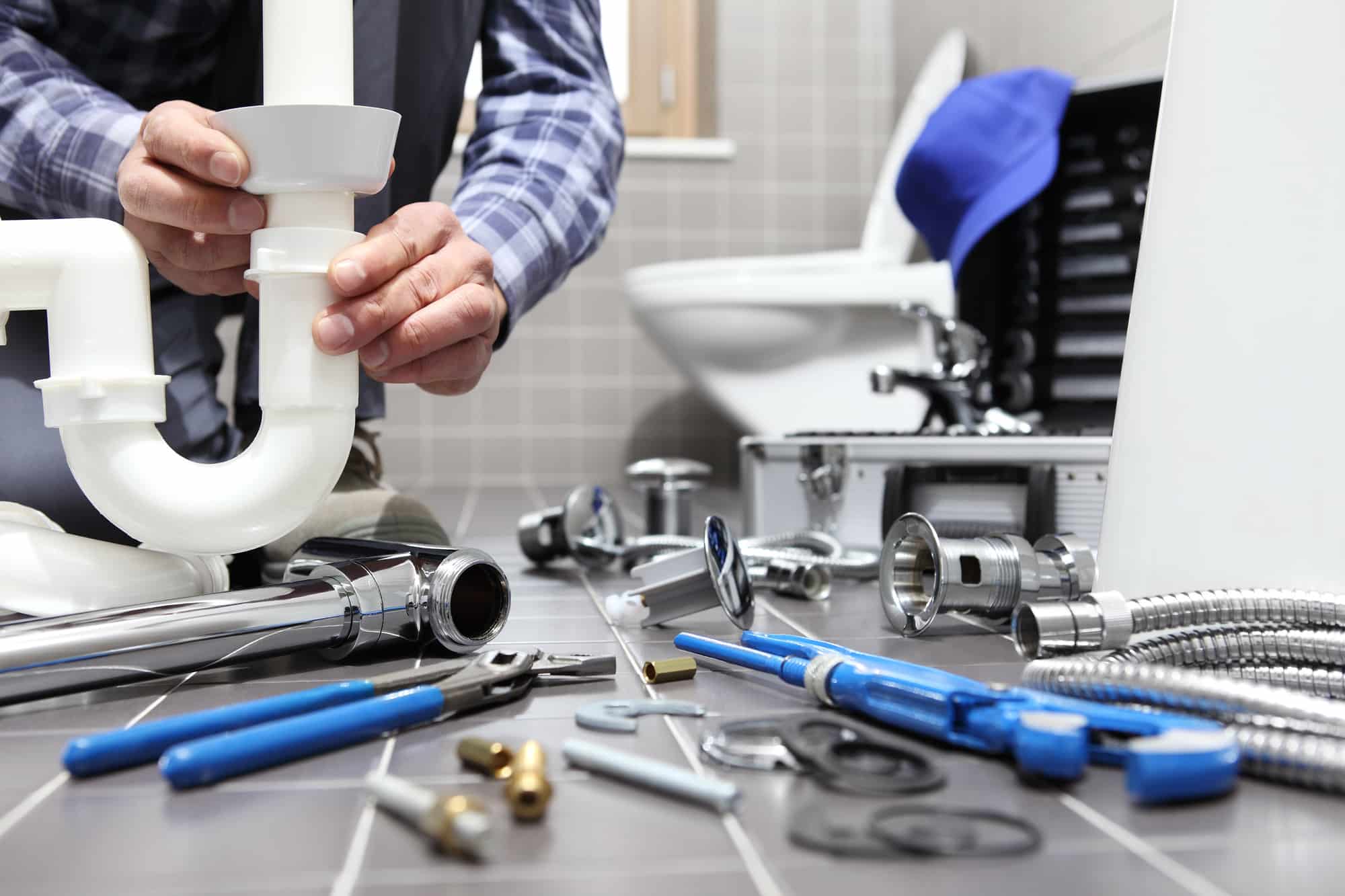
High-Priority Areas to Watch
Not all maintenance items carry the same risk if deferred. Some are more time-sensitive than others because of the rate at which they deteriorate or the secondary damage they can cause. These are the areas worth monitoring most actively.
Water and Moisture
Any sign of moisture where it shouldn't be — water stains on ceilings or walls, dampness under sinks, soft spots in flooring near water sources, mould smell in a bathroom — should be treated as a priority. Water damage doesn't pause while you get to it. It continues to spread, and the materials most commonly affected (wood, drywall, insulation) are not cheap to replace.
Electrical Warning Signs
Flickering lights, outlets that stop working, breakers that trip repeatedly, or the smell of burning plastic near an outlet are signs that should not be ignored. Electrical problems can worsen gradually and without visible symptoms until something fails entirely — or worse, creates a fire risk. This is one category where professional assessment is worth doing promptly.
Structural and Framing Issues
Doors that won't latch properly, windows that are increasingly difficult to open, cracks in drywall along corners or diagonal from window openings — these can be signs of settling or movement in the structure of the home. In many cases they're cosmetic or minor, but they're worth having assessed, especially in older homes or if multiple symptoms appear together.
Roof and Attic
Most homeowners don't go into their attic regularly, which means problems there can go undetected for long periods. Missing shingles, compromised flashing around vents or chimneys, and inadequate ventilation all create conditions for water intrusion. An occasional look in the attic after a significant rainstorm can catch early signs of a leak before it becomes visible on a ceiling below.
Practical Ways to Stay Ahead
The goal isn't to spend every weekend doing home maintenance — it's to build a few lightweight habits that improve your awareness of what's happening in your home.
The Monthly Walk-Through
Once a month, spend about fifteen minutes walking through your home with a specific focus on things that might have changed. Look under sinks. Check that outlets are working. Notice if any doors are fitting differently. Look at ceilings and walls for new stains or discolouration. This takes very little time and creates a running mental baseline for what's normal in your home.
Act on Observation, Not Just Urgency
Make a note when you notice something that looks off, even if it doesn't feel urgent. Keep a simple list — a note on your phone works fine — of things to get looked at. Review it occasionally and book a service visit when you have a few items, which makes each visit more cost-effective.
Build Relationships with Reliable Tradespeople
Having a handyman or maintenance technician you trust and who knows your property makes ongoing maintenance much easier. They'll spot things during a visit that you haven't noticed, and the familiarity with your home means assessments are faster and more accurate over time.
When You Can't Afford to Fix Everything at Once
Budget constraints are real, and not every repair can be addressed immediately. When you're working with limited resources, prioritization matters. Water-related issues and electrical concerns should generally take priority over cosmetic repairs. Anything that can worsen on its own or cause secondary damage moves up the list. Purely aesthetic issues — a scuff on a wall, a sticky drawer — can usually wait without consequence.
Being honest with a tradesperson about your budget and asking them to prioritize is a reasonable conversation to have. A good contractor will give you a straight answer about what needs to happen now, what can wait, and what to watch for in the meantime.
The Long View
A home that's maintained regularly is easier to manage, more comfortable to live in, and holds its value better than one where maintenance has been consistently deferred. The costs over time tend to be lower — not necessarily in any given year, but across the lifespan of the home.
More practically, staying on top of maintenance means fewer surprises. Unexpected repair bills are stressful and disruptive. Most of them are preventable, at least in part, by paying attention to what a home is telling you before it forces the conversation.
Noticed Something Worth Getting Looked At?
We offer straightforward assessments with no obligation. If you've been putting something off, getting a clear picture of what you're dealing with is a good first step.
Contact Us